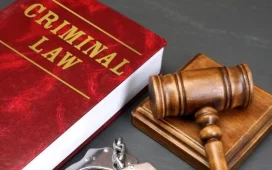

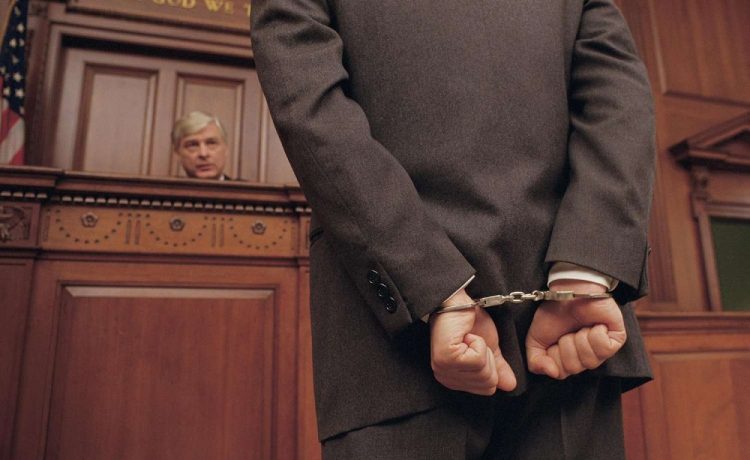
Criminal cases sit at the core of any justice system. They determine how society responds to harm, enforces laws, and protects public safety. From investigation to verdict, each stage follows structured legal principles designed to balance accountability, due process, and individual rights.
This article breaks down criminal cases in a clear, practical way—without legal fluff—so readers can understand how they work and why they matter.
What Is a Criminal Case?
A criminal case arises when the state alleges that an individual or group has violated a criminal law. Unlike civil disputes, criminal proceedings involve public prosecution and may result in penalties such as imprisonment, fines, probation, or community service.
Key characteristics include:
-
The government acts as the prosecutor
-
The accused is presumed innocent until proven guilty
-
The standard of proof is beyond a reasonable doubt
Types of Criminal Cases
Criminal cases are commonly classified based on severity and the nature of the offense.
Felonies
Felonies are the most serious criminal offenses and usually carry severe penalties.
Examples include:
-
Homicide-related crimes
-
Armed robbery
-
Sexual offenses
-
Large-scale fraud
Convictions may result in long-term imprisonment or, in some jurisdictions, life sentences.
Misdemeanors
Misdemeanors involve less serious conduct but are still punishable under criminal law.
Common examples:
-
Simple assault
-
Petty theft
-
Disorderly conduct
-
First-time DUI offenses
Punishments often include short jail terms, fines, or probation.
Infractions
Infractions are minor violations and typically do not lead to jail time.
They often include:
-
Traffic violations
-
Municipal code breaches
The Criminal Case Process Step by Step
Understanding how a criminal case progresses helps demystify the justice system.
Investigation and Arrest
Law enforcement agencies begin by collecting evidence, interviewing witnesses, and identifying suspects. If probable cause exists, an arrest may follow.
Charging and Arraignment
Prosecutors review the evidence and decide whether to file charges. During arraignment:
-
Charges are formally read
-
The defendant enters a plea
-
Bail or detention is determined
Pretrial Proceedings
This phase may include:
-
Motions to suppress evidence
-
Discovery between both sides
-
Plea negotiations
Many criminal cases resolve here without going to trial.
Trial
If no plea agreement is reached, the case proceeds to trial. A judge or jury evaluates:
-
Witness testimony
-
Physical and digital evidence
-
Legal arguments from both sides
Verdict and Sentencing
If the defendant is found guilty, sentencing follows. Judges consider:
-
Severity of the crime
-
Criminal history
-
Impact on victims
Rights of the Accused
Criminal law strongly emphasizes protections for defendants to prevent abuse of power.
These rights include:
-
The right to remain silent
-
The right to legal counsel
-
The right to a fair and public trial
-
Protection against unlawful searches and seizures
Violations of these rights can lead to dismissed charges or overturned convictions.
Why Criminal Cases Matter to Society
Criminal cases do more than punish wrongdoing. They:
-
Deter future crimes
-
Establish legal precedents
-
Reinforce public trust in the justice system
-
Provide closure for victims and communities
High-profile cases often spark broader discussions about law enforcement practices, sentencing fairness, and legal reform.
Common Challenges in Criminal Cases
Despite structured procedures, criminal cases face recurring issues:
-
Unreliable or circumstantial evidence
-
Witness credibility problems
-
Lengthy delays in court systems
-
Inequities in legal representation
Addressing these challenges remains a constant focus of legal reform efforts worldwide.
Frequently Asked Questions (FAQ)
1. What is the difference between criminal and civil cases?
Criminal cases involve offenses against the state and can result in jail or prison time, while civil cases resolve private disputes and usually involve monetary compensation.
2. Can criminal charges be dropped before trial?
Yes. Prosecutors may dismiss charges due to insufficient evidence, procedural errors, or new information.
3. Do all criminal cases go to trial?
No. A significant number of criminal cases are resolved through plea agreements before reaching trial.
4. What happens if evidence is obtained illegally?
Illegally obtained evidence may be excluded from trial under exclusionary rules, potentially weakening the prosecution’s case.
5. Can someone be tried twice for the same crime?
In most jurisdictions, double jeopardy protections prevent a person from being tried again for the same offense after acquittal or conviction.
6. How long does a criminal case usually take?
Timelines vary widely. Minor cases may conclude in weeks, while complex felony cases can take years.
7. Does a criminal conviction stay on record permanently?
It depends on the jurisdiction. Some convictions can be sealed or expunged under specific conditions, while others remain permanent.