

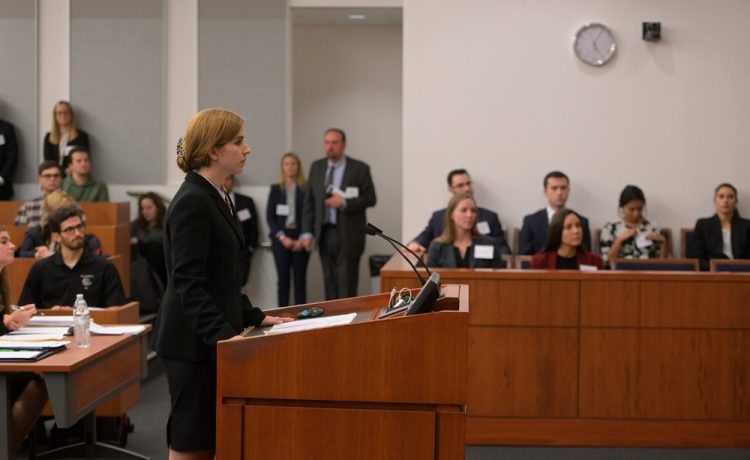
Justice is not automatic. It is pursued, argued, negotiated, and defended. At the center of that process stands the attorney—an advocate whose role goes far beyond paperwork and courtroom appearances. A skilled attorney works to ensure that legal outcomes are fair, lawful, and aligned with the client’s rights, even when the system feels complex or stacked against them.
This article explores how attorneys actively advocate for fair legal results, from early case preparation to final resolution.
Understanding Advocacy in the Legal System
Legal advocacy is the art and responsibility of speaking and acting on behalf of another person’s interests within the boundaries of the law. Attorneys are not merely messengers; they are strategists, analysts, negotiators, and protectors of due process.
At its core, advocacy means:
-
Ensuring the client’s voice is heard
-
Preventing abuse of legal power
-
Pushing for outcomes grounded in facts and law
Building a Strong Legal Foundation
Fair results start long before a case reaches a courtroom.
Thorough Case Evaluation
An attorney begins by examining every detail:
-
Reviewing documents, contracts, or evidence
-
Identifying legal strengths and weaknesses
-
Spotting procedural or constitutional issues
This early analysis shapes the entire legal strategy and helps avoid unrealistic expectations.
Legal Research and Interpretation
Laws are not static. Attorneys:
-
Interpret statutes and regulations
-
Research prior court decisions
-
Apply legal principles to unique facts
Strong research allows an attorney to frame arguments that align with established law while challenging unfair interpretations.
Protecting Client Rights at Every Stage
One of the most critical roles of an attorney is safeguarding rights that might otherwise be overlooked or violated.
Attorneys actively:
-
Prevent unlawful searches or questioning
-
Ensure fair treatment by courts and opposing parties
-
Object to improper evidence or procedures
These actions may seem routine, but they often determine whether a legal outcome is truly fair.
Strategic Negotiation and Settlement Advocacy
Not every fair result comes from a judge’s ruling. Many are achieved at the negotiation table.
Why Negotiation Matters
Attorneys negotiate to:
-
Reduce financial or legal risk
-
Avoid unnecessary litigation
-
Reach outcomes tailored to the client’s real-world needs
Effective negotiation requires leverage, preparation, and timing, not just persuasion.
Balancing Compromise and Principle
A strong advocate knows when to compromise and when to stand firm. Attorneys must weigh:
-
The likelihood of success at trial
-
The emotional and financial cost to the client
-
Long-term consequences of a settlement
Fairness is not about winning at all costs—it is about achieving the best possible outcome under the circumstances.
Courtroom Representation and Persuasive Argument
When cases proceed to court, advocacy becomes highly visible.
Attorneys advocate by:
-
Presenting evidence clearly and ethically
-
Cross-examining witnesses to test credibility
-
Making legal arguments grounded in precedent
Judges and juries rely on attorneys to translate complex facts into understandable narratives, ensuring decisions are based on truth rather than confusion or emotion.
Ethical Duties and Professional Responsibility
True advocacy is guided by ethics, not shortcuts.
Attorneys are bound to:
-
Act honestly with courts and clients
-
Avoid conflicts of interest
-
Maintain confidentiality
Ethical advocacy strengthens trust in the legal system and ensures fairness is not achieved through manipulation or misconduct.
Advocating Beyond the Case Outcome
A fair legal result is not always defined by a verdict alone.
Attorneys often help clients by:
-
Explaining decisions in plain language
-
Advising on future legal risks
-
Assisting with compliance or appeals
This broader guidance ensures clients are not left vulnerable after a case concludes.
Why Advocacy Makes the Difference
Without skilled advocacy, legal systems can favor those with more power, resources, or influence. Attorneys help level that playing field by asserting rights, challenging unfairness, and demanding accountability.
Fair legal results are rarely accidental—they are earned through preparation, persistence, and principled advocacy.
Frequently Asked Questions
What does it mean for an attorney to advocate for fairness?
It means actively working to ensure legal outcomes are based on law, evidence, and equal treatment rather than bias, pressure, or procedural errors.
Can an attorney guarantee a fair result?
No attorney can guarantee outcomes, but a skilled advocate can significantly improve the chances of a just and lawful resolution.
How does advocacy differ from simply providing legal advice?
Legal advice explains options; advocacy involves taking action, negotiating, and arguing on the client’s behalf to achieve results.
Is advocacy only important in courtroom cases?
No. Advocacy is equally important in negotiations, mediations, administrative hearings, and even behind-the-scenes legal strategy.
What role do ethics play in legal advocacy?
Ethics ensure advocacy remains honest and lawful, protecting both the client’s interests and the integrity of the legal system.
How can clients support their attorney’s advocacy efforts?
By being honest, responsive, organized with documents, and open to strategic guidance.
Does strong advocacy increase legal costs?
Not necessarily. Effective advocacy can reduce costs by resolving issues early, avoiding unnecessary disputes, or securing favorable settlements.